Date
3 july 2026
Contact
About the Swedish Delegation for the Circular Economy
The Swedish Delegation for the Circular Economy is an advisory body appointed by the Swedish Government to accelerate the transition towards a circular economy.
The Delegation brings together representatives from industry, the public sector, academia and civil society. Its mission is to promote collaboration, identify barriers and opportunities, and develop recommendations that contribute to a more resource efficient and circular economy.
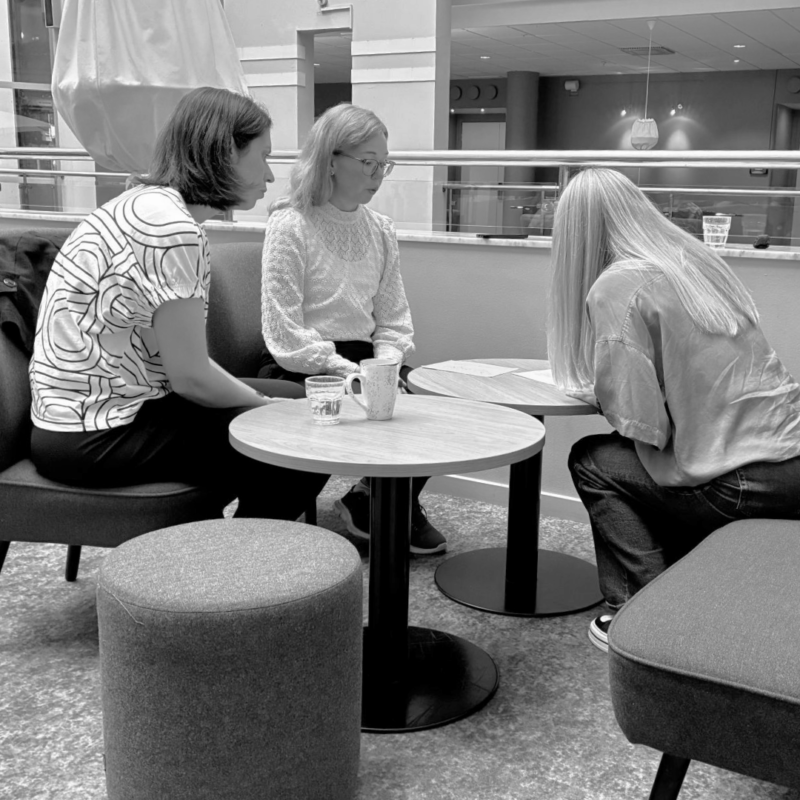
The workshop Circular Keys – Circular Furniture Flows was organised on behalf of the Swedish Environmental Protection Agency and brought together 24 representatives from across the furniture value chain. The objective was to develop concrete proposals that can accelerate circularity within the furniture industry. The outcomes of the workshop will contribute to the Delegation’s continued work and form part of future recommendations to the Swedish Government.
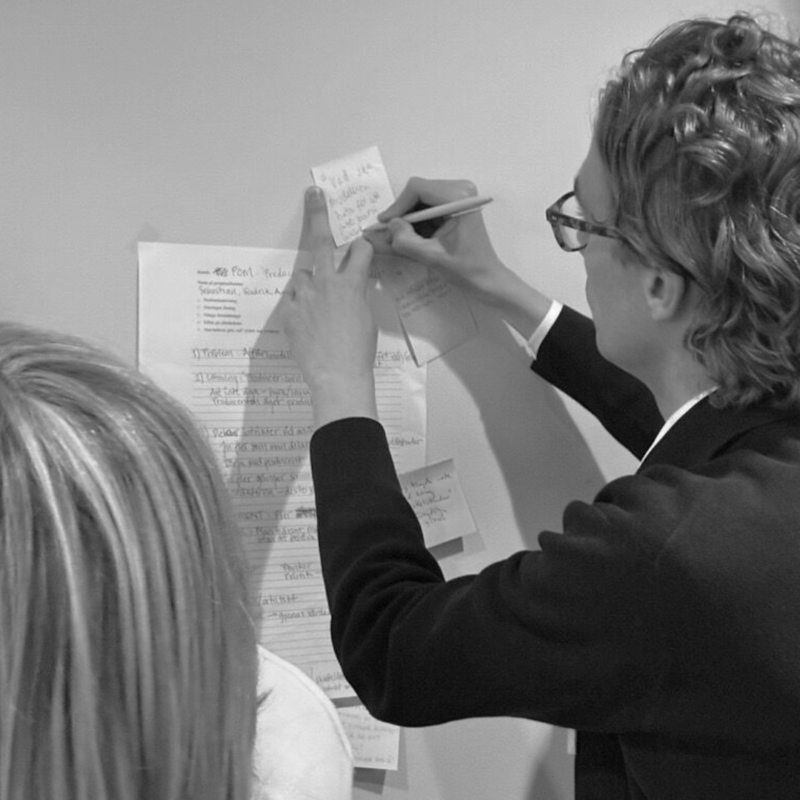
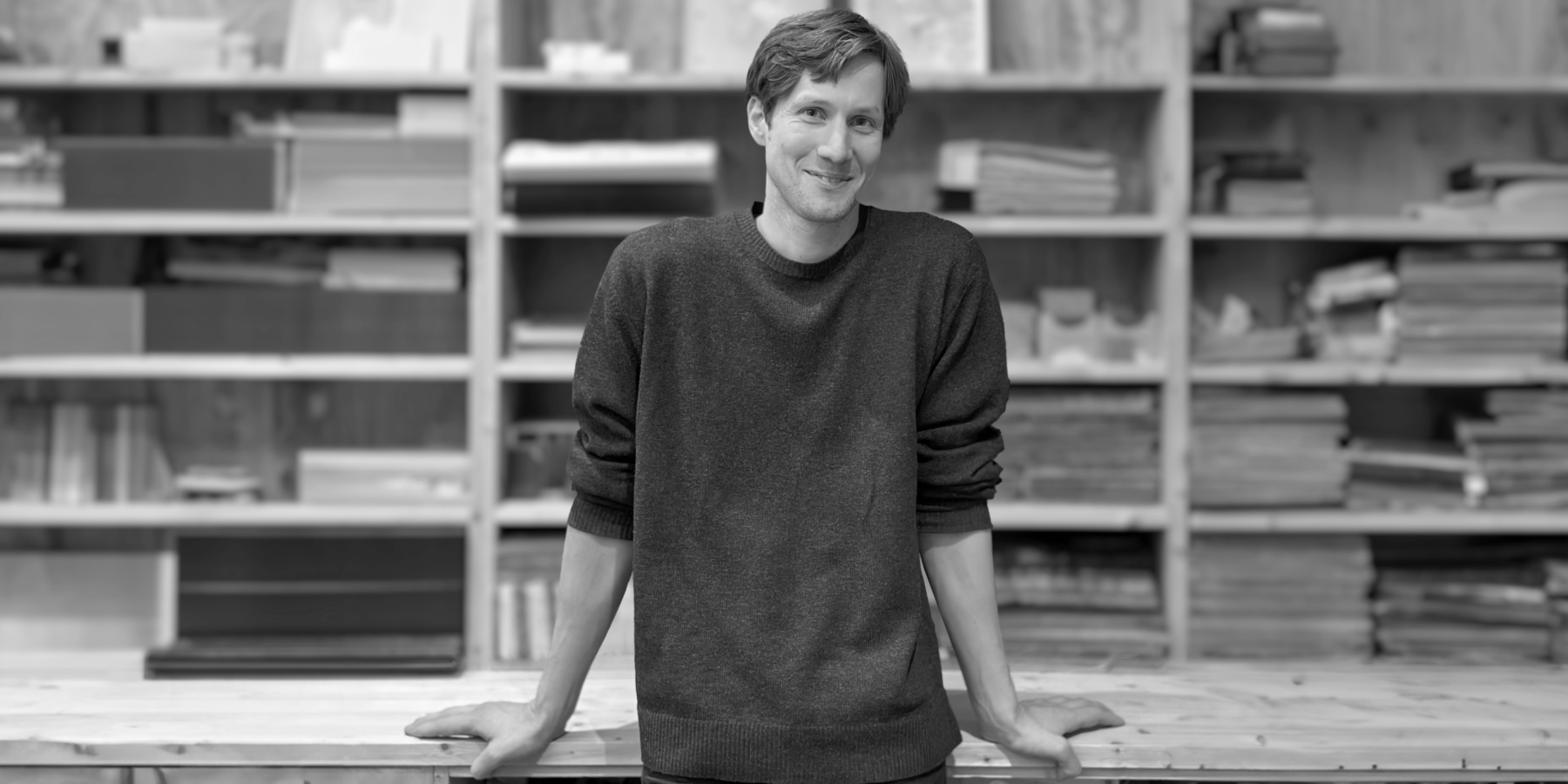
“I really appreciated how well organised and solution oriented the workshop was. We need concrete proposals, but more importantly, we need to implement them if we are to build a circular economy that does not overexploit natural resources, ecosystems and the climate,” says Jonatan Lennman.
From discussion to action
Concrete proposals for a more circular furniture industry
How do we make the sustainable choice the easiest choice?
That question became the common thread throughout the workshop Circular Keys – Circular Furniture Flows, organised by the Swedish Delegation for the Circular Economy on behalf of the Swedish Environmental Protection Agency.
Indicum was represented by interior architect Jonatan Lennman, who joined furniture manufacturers, refurbishment companies, researchers, municipal organisations and other stakeholders from across the furniture value chain. Together, they identified barriers and developed concrete proposals for accelerating the transition to a more circular furniture economy.
More action than discussion
Unlike many industry events, this workshop focused less on describing challenges and more on developing practical solutions.
“We began by identifying the sustainability challenges and barriers within the furniture economy, followed by opportunities for improvement. We then worked in groups to develop concrete proposals before refining them together through open discussions,” says Jonatan Lennman.
The workshop outcomes have now been compiled and will contribute to the Delegation’s continued work and future recommendations to the Swedish Government.
Four proposals received particularly strong support
Although the participants represented different parts of the furniture industry, there was broad consensus on four areas that should be prioritised to accelerate circularity.
Economic incentives that support circular business models
Participants highlighted the need for financial incentives that make reuse, remanufacturing and recycling more competitive. Among the proposals were lower VAT on repair and reuse services, reduced labour costs and other measures that would strengthen circular business models.
Shifting taxation from labour to raw materials
Jonatan participated in the working group that developed a proposal for tax reform. The idea is to increase taxation on products with a high share of virgin materials while reducing taxes on labour. The objective is to make circular products more competitive and reduce the extraction of virgin resources.
Public procurement needs to evolve
Another key proposal was to move public procurement beyond purchase price alone. Greater emphasis should instead be placed on lifetime value, durability, reparability, replaceable components and total cost of ownership over the product’s entire lifespan.
Better procurement criteria and guidance
Participants also stressed the need for clearer guidance for public procurers. More consistent criteria, better support and increased knowledge would make it easier to include requirements related to quality, longevity and circularity. At the same time, more harmonised procurement practices would create better conditions for both buyers and suppliers.
A shared direction
For Indicum, the workshop reinforced that the transition towards a circular economy is not primarily about developing new technical solutions. Many of the solutions already exist. The real challenge is creating regulations, incentives and working methods that make sustainable choices simple and practical.
“I really appreciated how well organised and solution oriented the workshop was. We need concrete proposals, but more importantly, we need to implement them if we are to build a circular economy that does not overexploit natural resources, ecosystems and the climate,” says Jonatan Lennman.
At Indicum, we work with reuse and sustainable interior architecture every day. Participating in initiatives like this allows us to contribute our experience while learning from others across the value chain. When manufacturers, designers, researchers, public organisations and reuse specialists work towards shared solutions, the opportunities to create real and lasting change become much greater.